Ready to Move vs Under Construction
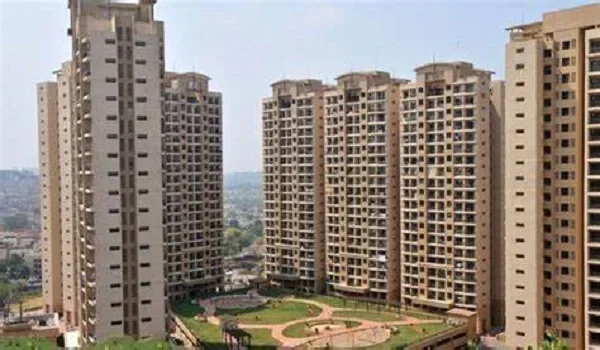
Featured Image of Ready to Move vs Under Construction


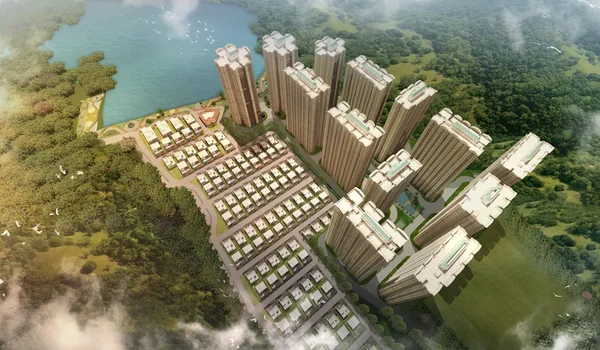
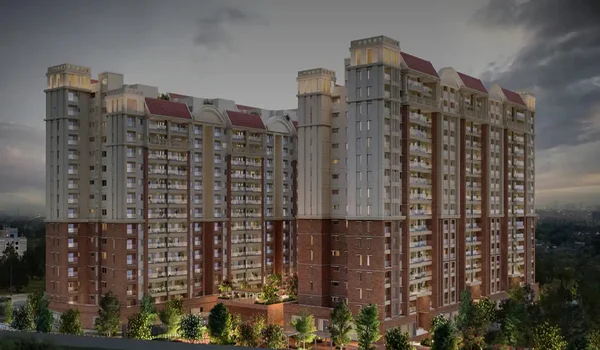
Choosing between a ready-to-move home and an under-construction home is an important choice for buyers. With a ready-to-move home, you can get the keys soon, move in without waiting, and see the actual flat before you buy it. An under-construction home may have a lower starting price and lets you pay the amount in parts. Its price may also increase in the coming years. Projects like Prestige Ivy Green (Launch: Dec 2026; Expected Possession: Dec 2030; RERA Status: Applied/Pending Approval) can be a good option for buyers planning to buy a home in the future. This guide covers the cost, taxes, things to check, and RERA rules before buying.

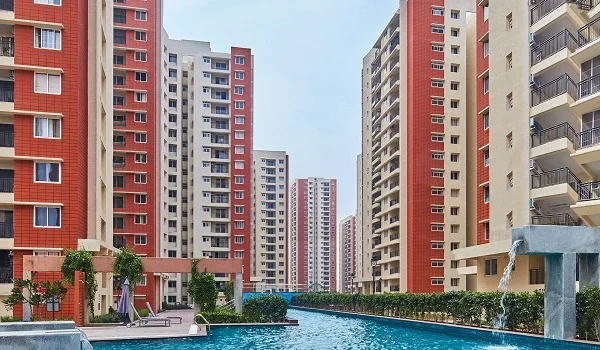
Ready to Move vs Under Construction Property: Comparative Analysis


A ready-to-move home gives you fast keys and a clear look at final quality, while an under-construction home offers a lower entry price and flexible payment steps.

Comparison Factor Ready-to-Move Property Under-Construction Property
Possession Time Instant (0 to 3 months) 2 to 5 years wait
GST Tax 0% (No GST with OC) 5% standard (1% affordable)
Starting Cost High (Full pay upfront) Low (10% to 20% booking)
Price Growth Steady and calm High growth potential
Wait Risk Zero delay risk Based on builder work
Home View Full real visit Sample flat or 3D plan
Rent Income Starts right away Starts after completion

What Is a Ready-to-Move Property?


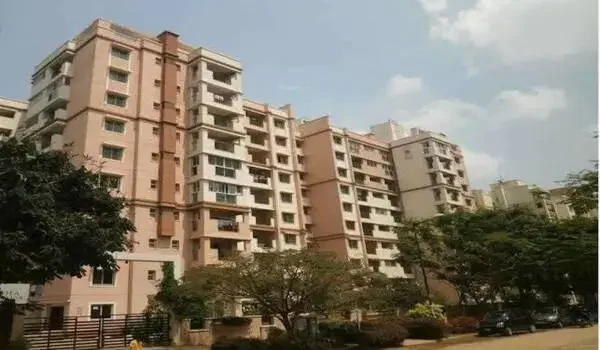
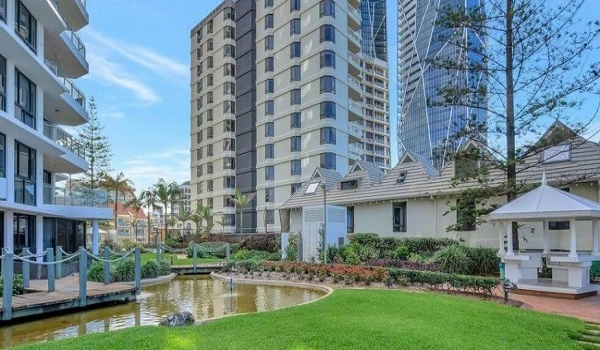
A ready-to-move property is an apartment or home that has already been completed by the builder. The construction work is finished, and the property is generally available for possession after completing the required formalities.

The biggest advantage is that buyers can visit the actual home before making the final decision. You can check the rooms, natural light, ventilation, common areas, amenities, and overall construction quality.

Benefits of Ready-to-Move Properties

  • Immediate possession: You do not have to wait several years for construction to finish.
  • See the actual home: Buyers can inspect the apartment before purchasing.
  • No construction waiting period: There is less uncertainty about the completion timeline.
  • Known neighbourhood: You can see the roads, nearby shops, schools, hospitals, and other facilities.
  • Rental income can start sooner: Investors can rent the property after possession and other formalities.
  • Better understanding of maintenance: You can check the condition of the building and common areas.

What Is an Under-Construction Property?


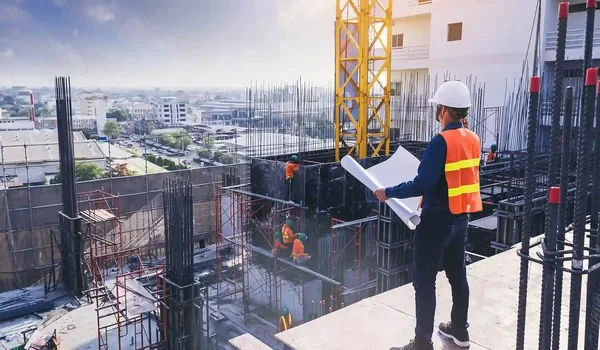
An under-construction property is a home that is still being developed by the builder. Depending on the construction stage, possession may take months or several years.

These properties are often chosen by buyers who are planning for the future. The buyer usually makes payments based on the construction-linked or agreed payment plan instead of paying the full amount at once.

Benefits of Under-Construction Properties

  • Lower entry price in some projects: Early buyers may get better launch-stage pricing.
  • Flexible payment plans: Payments may be linked to different stages of construction.
  • More choice: Buyers may get more options for floors, views, layouts, and units when booking early.
  • Future growth: If the location develops well, property prices may increase by the time the project is completed.
  • New amenities: New projects may offer modern layouts, clubhouses, green spaces, and lifestyle facilities.

Total Cost Breakdown: Hidden Expenses & Tax Obligations


The real cost of buying a home goes far beyond the basic tag price listed by the developer.

Total Property Cost = Base Price + GST (if any) + Stamp Duty & Fees + Maintenance + Extra Charges

Under-construction homes carry a 5% GST tax, but ready homes with an Occupancy Certificate carry no GST at all. However, ready homes often cost 10% to 20% more upfront due to instant access and zero build risk.

Both home types need stamp duty payments (5% to 7%), registration fees, maintenance deposits, legal charges, and parking fees.

Construction Quality Assessment & Property Inspection


Inspecting a ready home lets you test wall strength, room size, natural sunlight, paint finish, and water pressure.

Home Check Steps:

Inspection Area Key Check Points
Wall Check Look for wet spots, thin cracks, and bad plaster work
Water & Power Test pipe pressure, drain flow, and wall plugs
Doors & Windows Check frame fit, lock security, and balcony railings
Legal Papers Verify city Occupancy Certificate (OC) and fire safety

For homes under construction, you cannot inspect the final rooms early on. Buyers must trust past builder projects, official RERA status updates, paper plans, and sample flats. Make sure the builder follows the master plan without breaking city space rules.

Possession Timelines and Regulatory Safeguards (RERA)


Handover dates for new homes are set by strict law under official state RERA project files.

Under Section 18 of the RERA law, if a builder delays the home past the agreed date, you can ask for a full cash refund with interest. You can also stay in the project and collect monthly interest payouts for each month of delay. Ready homes avoid this issue, as key handovers take just 30 to 60 days.

Home Loan & EMI Planning Framework


Bank loans work differently for ready-to-move and under-construction home deals.

  • Ready Home Loans: The bank sends 80% to 85% of the total home loan amount directly to the seller, and full monthly EMIs start the very next month.
  • Under-Construction Loans: Banks send cash out in steps as the builder finishes each floor slab. Buyers can pay low "Pre-EMI" interest fees until the full home is ready.

What Should You Check Before Buying?


Check these core items before paying any token money or signing home papers:

  • Builder reputation: Check the builder's old projects and whether they were completed on time.
  • RERA details: Check the project's RERA registration and other details.
  • Location: Look at nearby roads, schools, hospitals, offices, public transport, and shops.
  • Total cost: Check the full cost, including taxes, registration, parking, and maintenance charges.
  • Floor plan: Check the room sizes, ventilation, balcony, and usable space.
  • Amenities: Check if the project has the facilities you need.
  • Possession date: Check when the project will be ready and how much work is completed.
  • Legal documents: Check all important approvals and property papers before booking.
  • Resale value: Check if the area has good demand for future resale.
  • Maintenance cost: Ask about the monthly maintenance charges.
  • Visit the property: Visit the project and check the location, construction, and nearby areas before making a decision.

Maintenance cost: Understand the expected monthly maintenance charges.


Decision Matrix: Which Property Fits Your Profile?

Picking between ready homes and new builds comes down to your cash flow, timeline, and risk level.

  • Pick a Ready Home If: You pay monthly rent, need to move right now, want to check real quality, or want instant rental income.
  • Pick an Under-Construction Home If: You can wait 3 to 4 years, want a lower entry price, like step-by-step payments, and seek high resale gains.

FAQs


1. Is an under-construction property always cheaper than a ready-to-move home?

Yes, starting base prices are usually 10% to 20% lower. However, you must add extra costs like 5% GST, loan interest, and house rent during the wait time to find the real price difference.

2. Do buyers need to pay GST on ready-to-move properties?

No, GST does not apply to ready homes if the builder holds an Occupancy Certificate (OC) from the city team. GST applies only to properties that are still under construction.

3. What protection does RERA provide for delayed under-construction projects?

Under RERA Section 18, if a project is late, you can ask for a full refund with interest. Or, you can choose to stay in the project and get monthly delay interest payouts from the builder.

4. Can I claim home loan tax benefits on an under-construction property?

You cannot claim tax deductions while the home is being built. But once you get possession, you can claim the total pre-possession interest in 5 equal yearly parts.

5. How long does the possession process take for a ready-to-move home?

It takes 30 to 60 days. This gives enough time for bank loan approval, full payment release, registry tax payments, and final key handover.

Enquiry
Enquire Now